
— DRAKE COSMETIC & FAMILY DENTISTRY
Root Canals
If the words "root canal" make you want to close this tab, hang with us for a minute. That phrase has picked up a nasty reputation over the years, but here's the part nobody tells you: the pain you're feeling right now — the throbbing that won't quit, the ache that wakes you at 2 a.m., the tenderness when you bite down — that's the infection talking, not the treatment. A root canal is what stops it. It's the fix that ends the pain and, in most cases, saves a tooth you'd otherwise lose. So take a breath. Let's walk through what this actually involves, minus the horror-movie version.
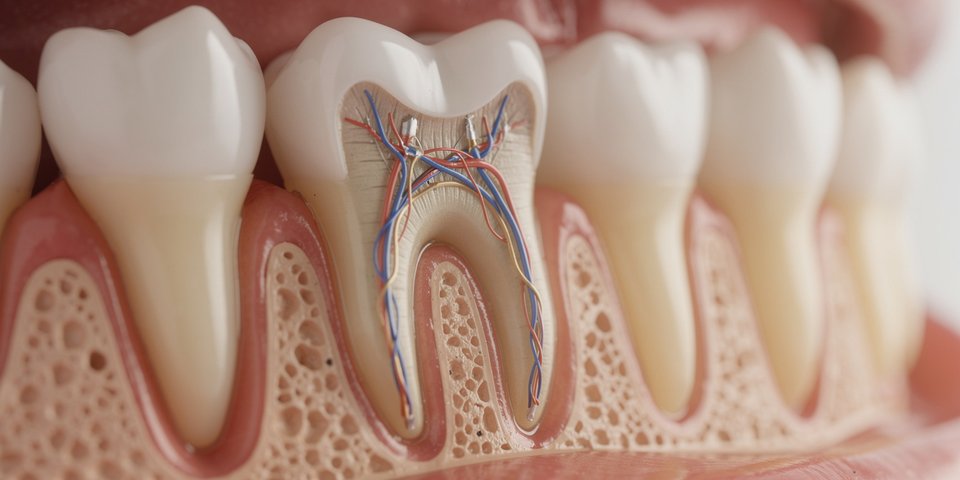
Root Canal Treatment in Mooresville, NC
When the soft tissue inside your tooth — the pulp — gets infected or badly damaged, it doesn't heal on its own. That's where root canal therapy comes in. We remove the infected tissue from inside the tooth, clean everything out, and seal it up so bacteria can't get back in. The tooth stays put. You keep chewing on it. The pain goes away.
Dr. Matt Drake handles root canal evaluation and treatment here at our Mooresville office, and patients from across the Lake Norman area come to us specifically because a hurting tooth doesn't wait politely. If you've got tooth pain that's telling you something's wrong, getting it looked at sooner rather than later gives us the best shot at saving the tooth and getting you comfortable again.
Signs You May Need Root Canal Therapy
Not every toothache means a root canal. But there are some fairly reliable signals that the trouble has reached the nerve. Sharp sensitivity to hot or cold that lingers long after you've swallowed the coffee or set down the ice water is a common one. So is pain when you bite or put pressure on a specific tooth.
Other signs are easier to spot. A tooth that's started to darken or look grayish compared to its neighbors. Swelling in the gum nearby. A small pimple-like bump on the gum that keeps coming back — that's often an abscess, meaning infection has built up and needs to drain and be treated. Deep decay that's worked its way past the enamel and into the inner tooth can also reach the nerve.
Any one of these is worth a look. Tooth infection doesn't fix itself, and catching it earlier usually means a simpler visit.
What to Expect During Treatment
Here's the honest, step-by-step so your imagination stops writing its own script. First, we numb the area thoroughly — and this is the reassurance most people need to hear: with modern anesthetic, a root canal typically feels about the same as getting a regular filling. The dread is almost always worse than the actual appointment.
Once you're comfortable, we create a small opening in the tooth to reach the pulp chamber. We remove the infected nerve tissue, then carefully clean and disinfect the canals inside the roots. Clearing out that infection is the whole point — it's what shuts down the pain source. After the inside is clean, we seal the canals so nothing can reinfect the tooth.
We take our time explaining what's happening as we go, at whatever pace keeps you feeling steady. Nobody gets rushed through a chair here. If you'd rather know every step in advance or you'd rather we just handle it quietly while you relax, either way works.
Sealing and Restoring the Tooth
Clearing out the infection is only part of the job. Once a tooth has had a root canal, it needs a final restoration to protect it and get it working normally again. In many cases a composite filling does the trick, and that's something we take care of right here at our practice. For some teeth — especially back molars that take a lot of chewing force — a crown may be the better long-term choice to keep the tooth from cracking down the road. Which route makes sense depends on your specific tooth, and we'll talk it through with you at your visit.
If you're dealing with tooth pain right now and want it looked at, call us at (704) 660-3540 and we'll get you scheduled to have it evaluated.
Recovery After Your Root Canal
Good news here: most people bounce back fast. It's normal for the tooth and surrounding area to feel a little tender or sore for a few days as everything settles down, but that soreness is a far cry from the infection pain you came in with. Plenty of folks head right back to work or their regular routine the next day.
Until your final restoration is in place, go easy chewing on that side — let the treated tooth take it slow. Over-the-counter comfort measures usually handle any lingering ache just fine. One thing to pay attention to: pain after a root canal should steadily fade, not build. If it gets worse instead of better, or swelling shows up, give us a call so we can check on it.
Your Lake Norman Root Canal Dentist
We're proud to be the Lake Norman dentist of choice for folks in Mooresville and the surrounding communities around the lake — from Troutman down toward Cornelius and the neighborhoods dotted along Lake Norman itself. When a tooth is in real trouble, you want someone close by who can see you and get you out of pain.
Dr. Matt Drake and our team are here for exactly that. If a tooth is throbbing, sensitive, or a dentist already told you a root canal is coming, don't sit on it — severe pain is a reason to call promptly rather than wait it out. Reach us at (704) 660-3540 and let's get that tooth looked at, get you comfortable, and save it if we can.
Frequently Asked Questions
How do I know whether I need a root canal or just a filling?
It comes down to how deep the problem goes. If decay or damage stays in the outer layers of the tooth, a filling usually handles it, but once it reaches the nerve inside, a root canal is the fix. An exam is the only way to know for sure which situation you're in.
Do root canals really hurt as much as people say?
No — and that reputation is way out of date. With modern anesthetic, the procedure typically feels about like getting a filling. The real pain people associate with root canals is actually the untreated infection, which is exactly what the treatment gets rid of.
How many appointments will my root canal take?
Often it's one to two visits, depending on the tooth and how much infection is involved. Some teeth wrap up in a single appointment, while others need a follow-up. We'll give you a clear picture once we've examined the tooth.
What can I do about the pain while I wait for my appointment?
Try to avoid chewing on that side, and a cold compress against your cheek can help with swelling. Over-the-counter pain relief usually takes the edge off in the meantime. If the pain is severe or getting worse, call us right away so we can move things up.
Will my tooth still work normally after a root canal?
Yes. Once it's treated and restored, the tooth functions like your others — you can chew and speak normally. That's the whole reason we do the procedure: to keep your natural tooth instead of pulling it.
What happens if I just ignore it and don't get it treated?
The infection won't clear up on its own, and it tends to spread and worsen over time, which can eventually cost you the tooth. Treating it promptly gives us the best chance of saving the tooth and keeping the problem from growing.
Does dental insurance cover root canals?
Many dental plans cover a portion of root canal treatment, though coverage varies by plan. We're happy to go over the details with you and help you understand your options before we get started.
Is it better to pull the tooth instead?
In most cases, keeping your natural tooth is the better choice for your bite, your neighboring teeth, and your long-term comfort. Extraction is sometimes necessary, but a root canal often lets you avoid it. We'll walk you through what makes the most sense for your specific tooth.